
Perspectives
Perspectives from Estudio RGC
What we think about modernization, architecture, and operations, written from the work we do with operators.
Modernization isn't a one-time event: it's a process with tangible, valuable deliverables.
Series
Modernizing an application estate
An application estate built up over years is not fixed by keeping it frozen or by throwing it out. It is modernized with a strategy that holds several tensions at once and ends up serving the operation. This series builds the conceptual foundation, element by element.
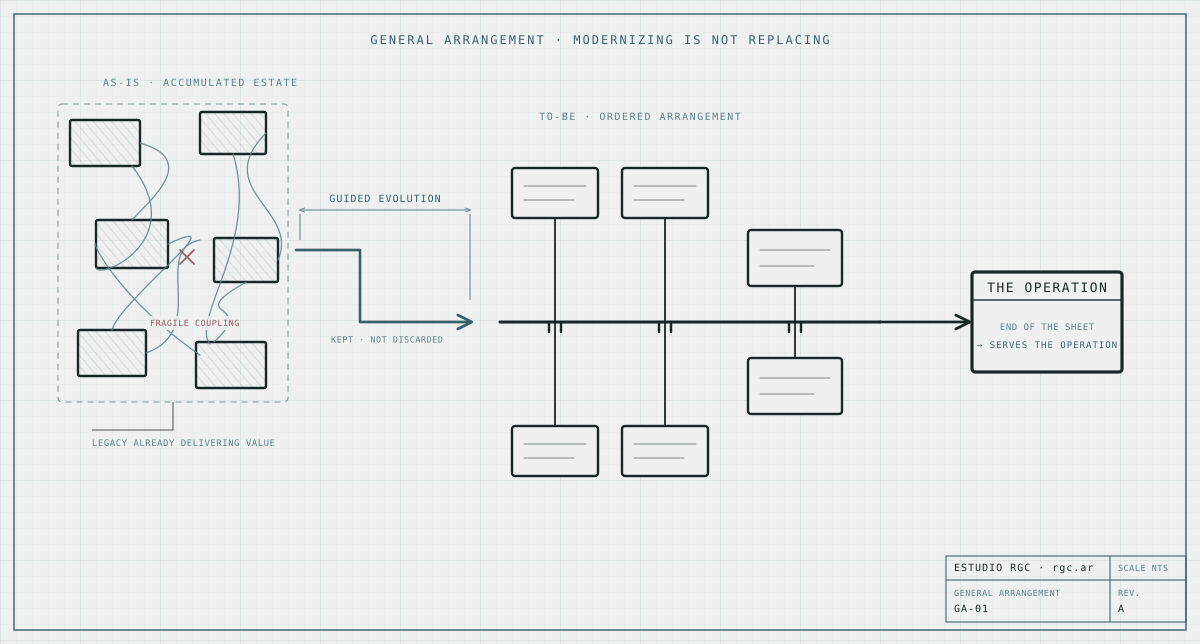 Part 1Modernizing an application estate is not a replacement, it is evolution with purposeAn application estate built up over years is not fixed by keeping it frozen or by throwing it out. It is modernized with a strategy that holds several tensions at once and ends up serving the operation. This series builds the conceptual foundation, element by element.
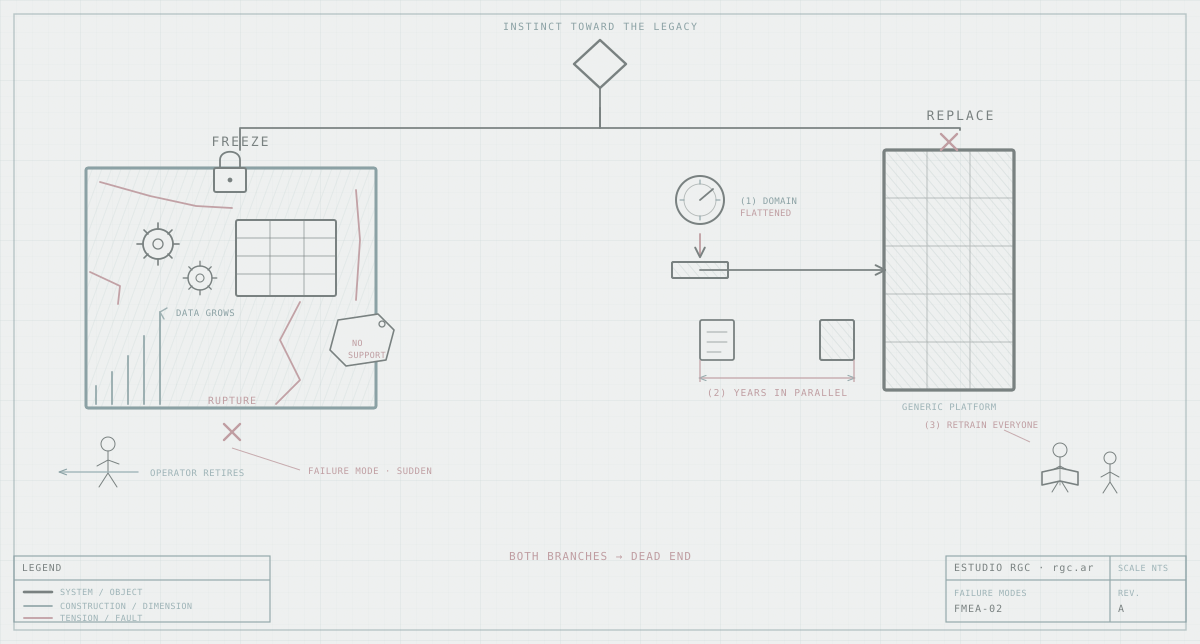 Part 2The two instincts that failFaced with an accumulated application estate, almost everyone reacts in one of two ways: freeze it or replace it wholesale. Both are understandable and both fail.
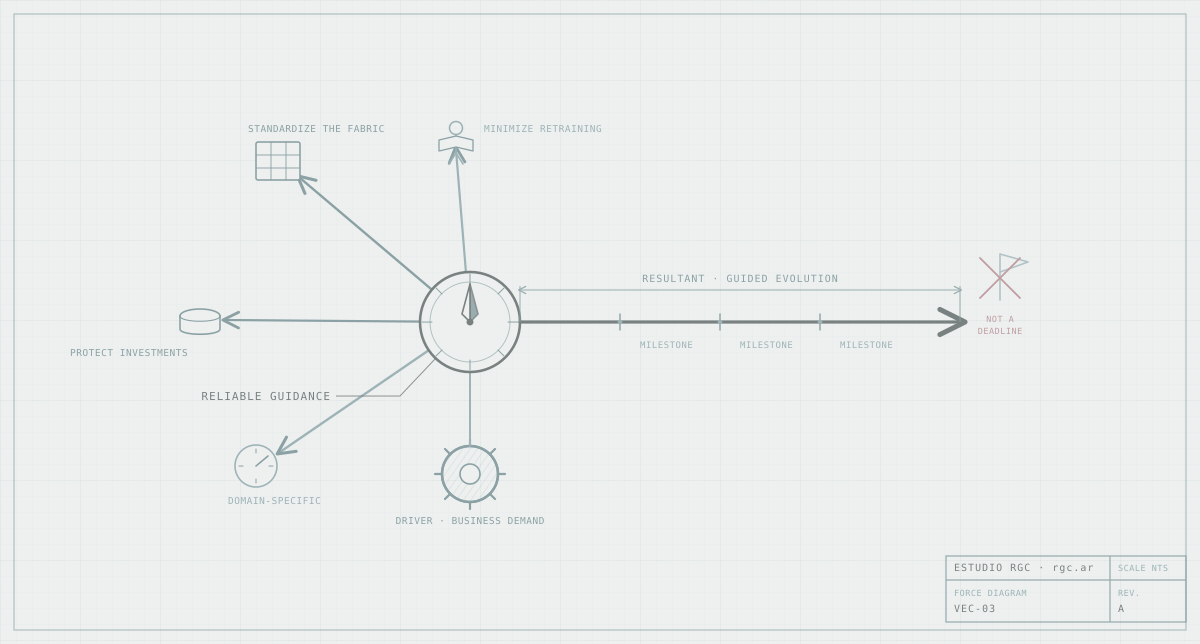 Part 3Modernizing is guided evolutionThe modernization of an application estate is not a project with a cutoff date. It is guided evolution, and what makes it manageable is not a destination but a strategy.
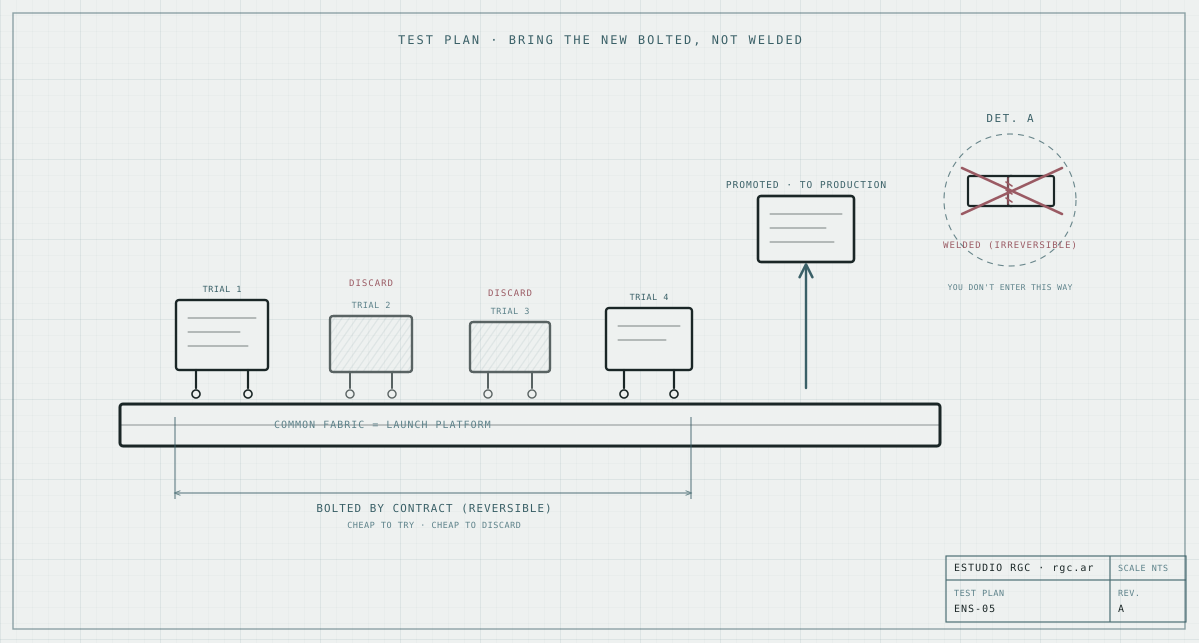 Part 4The push: bringing the change, deliberatelyEvolution does not start on its own. The push comes when someone decides to bring in the new that moves productivity, deliberately, on top of the common tissue. Innovation does not appear by inertia: you have to go looking for it, bet small and reversible, and drop what does not pay off.
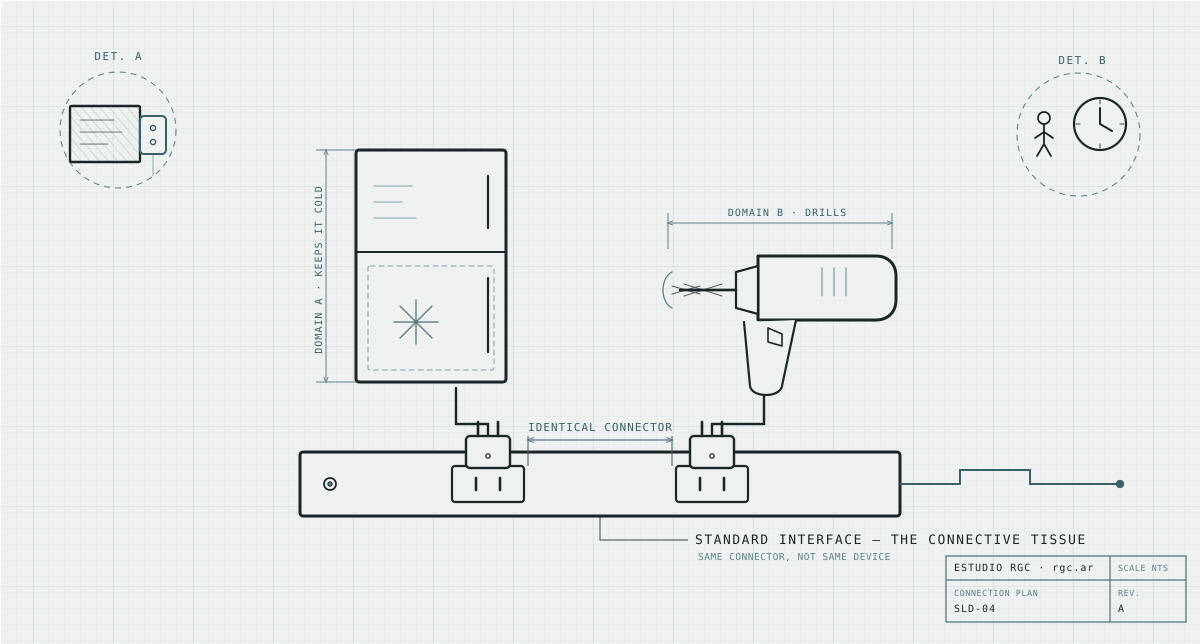 Part 5The continuity balancesWith the push clear, the continuity balances that make change possible without breaking what already runs: standardize the tissue that connects, adapt the legacy instead of discarding it, and evolve the flows people already know.
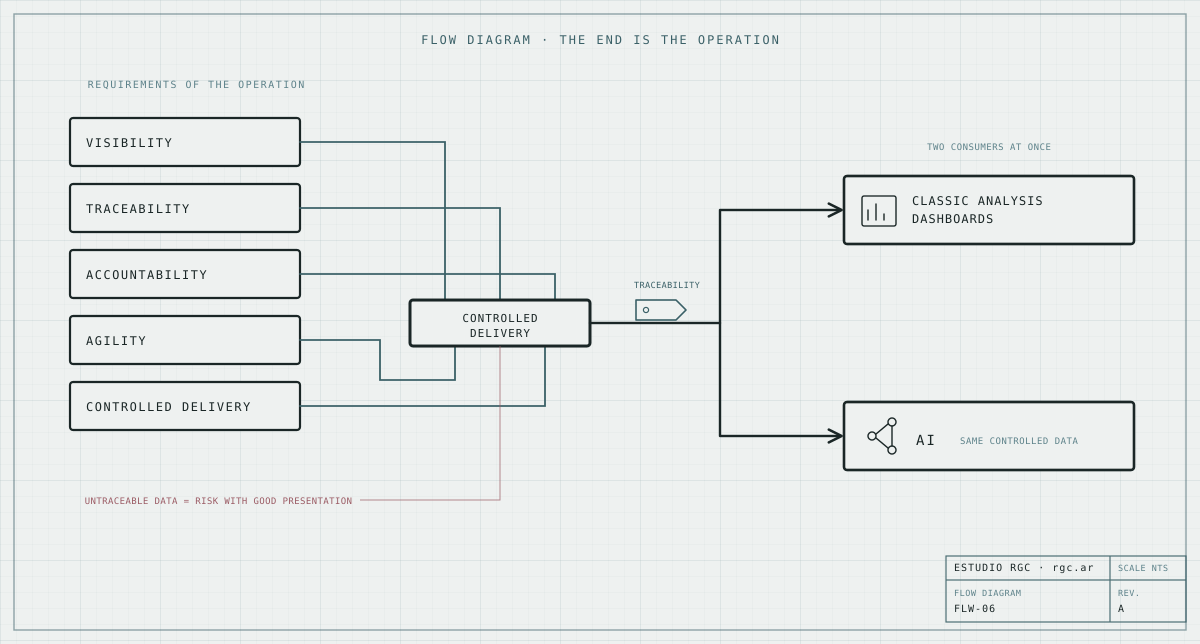 Part 6What all this is forStandardizing, preserving and protecting are not technical virtues pursued for their own sake. They are means. The end is an operation with visibility, traceability, accountability, agility and controlled delivery of information.
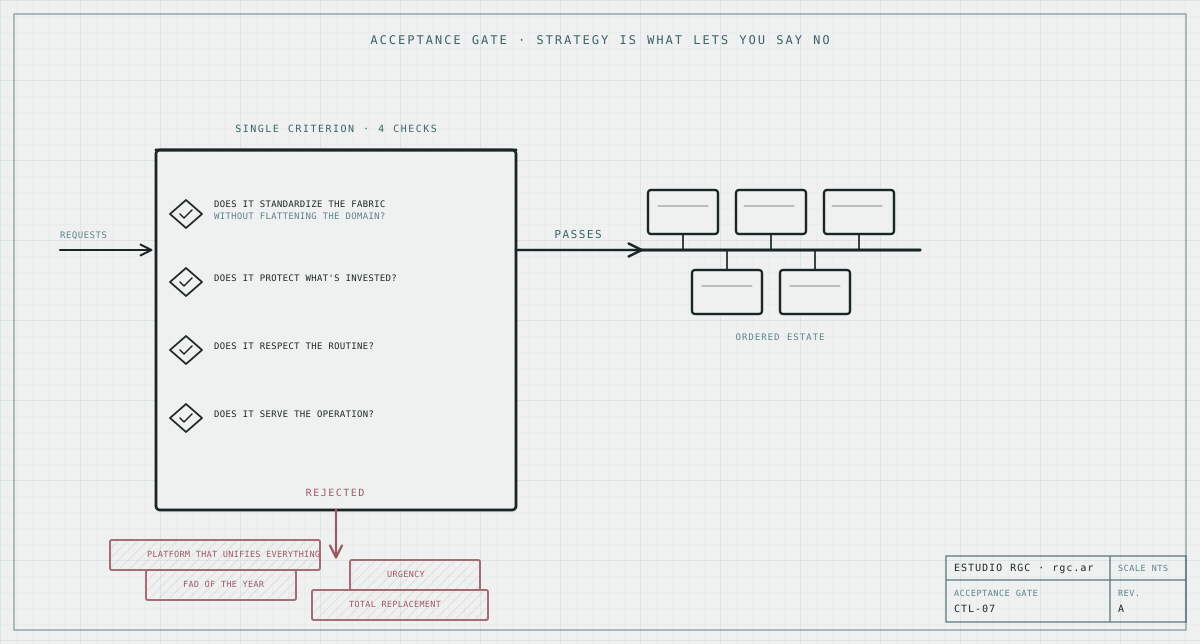 Part 7Strategy is what lets you say noClose of the series. A strategy serves, above all, to be able to coherently reject what does not fit. Without it, the estate grows again by accumulation.
Series
Two strategies, one estate
Inside almost every large operation, two different strategies coexist over the application estate, each with a partial solution, and on top of that a data governance that tends to choke the speed of the field. This series combines what is true in both and builds a governance that can be put to run.
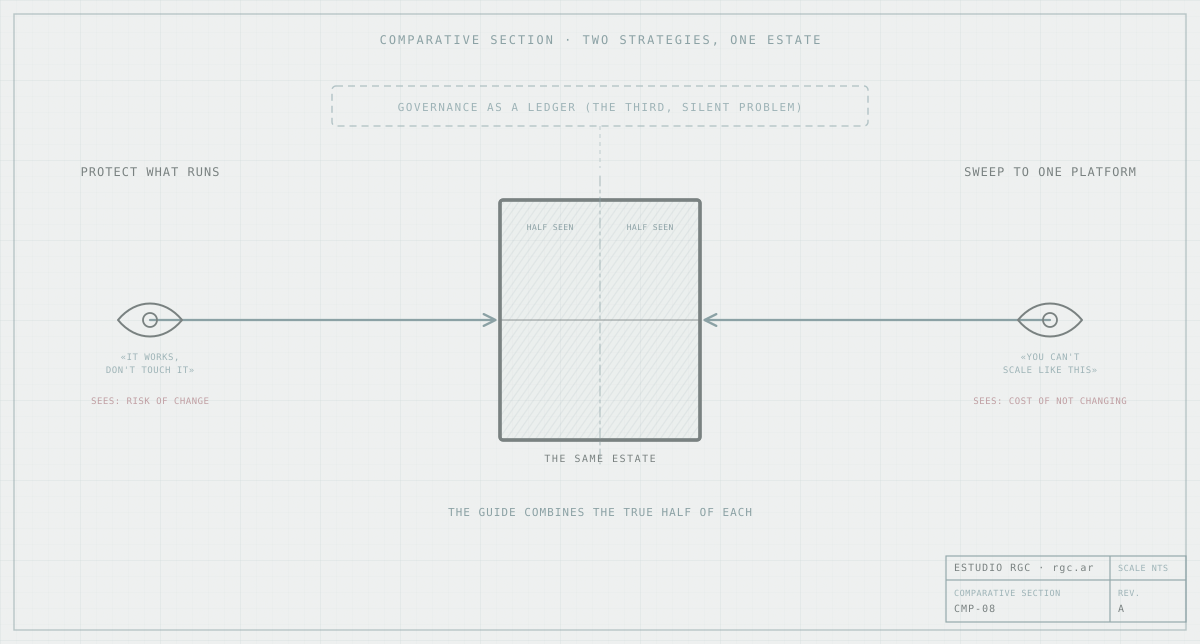 Part 1Two strategies over the same estateInside almost every large operation, two different strategies coexist over the application estate, each with a partial solution, and on top of that a data governance that tends to choke the speed of the field. This series combines what is true in both and builds a governance that can be put to run.
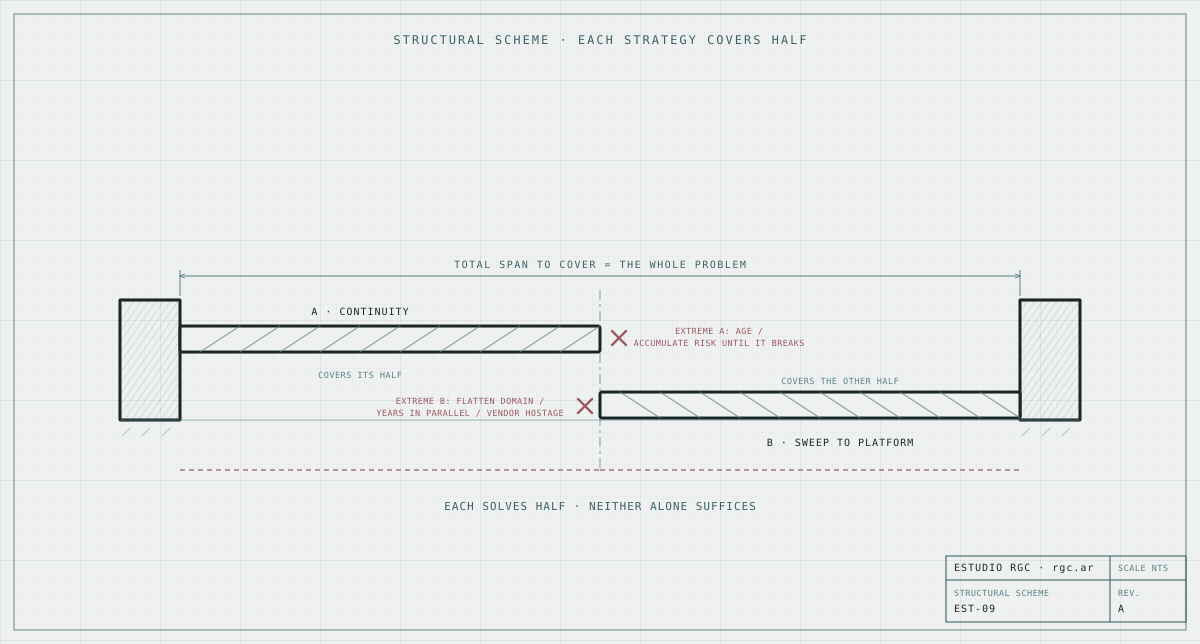 Part 2Why each strategy, on its own, solves only a partThe problem is not that one strategy is right and the other wrong. It is that each one, taken alone to the end, solves a part and leaves the other open.
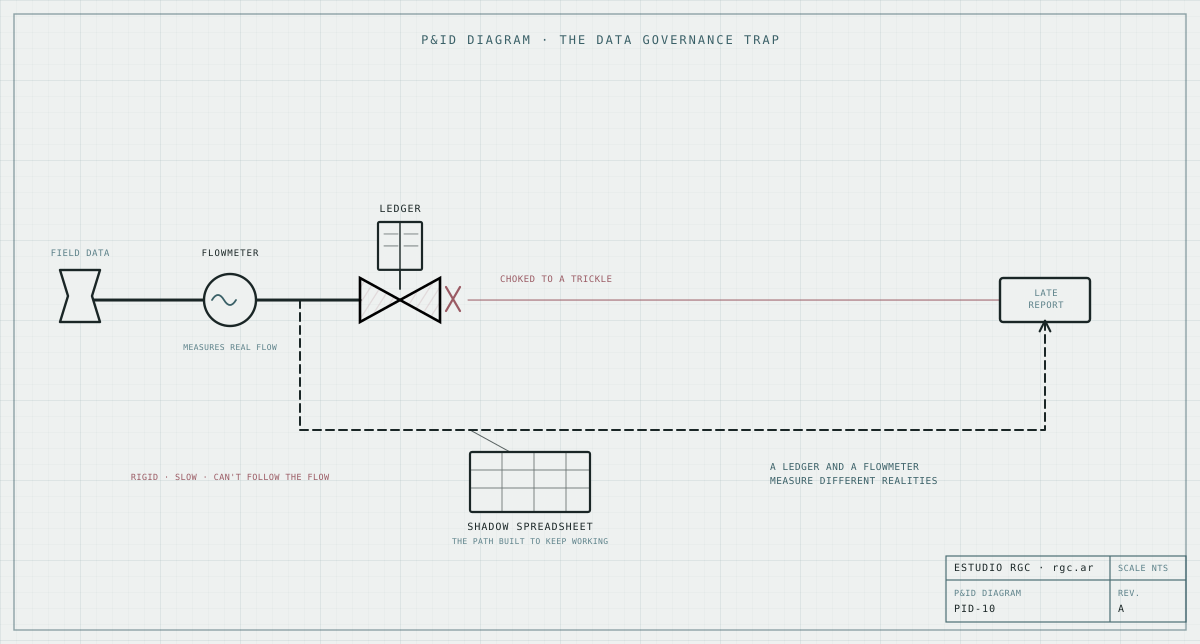 Part 3The data governance trapAlmost all data governance comes modeled like an accounting ledger. That rigor is right for the system of record and ruinous for the operational stream, which has to flow at the speed of the field.
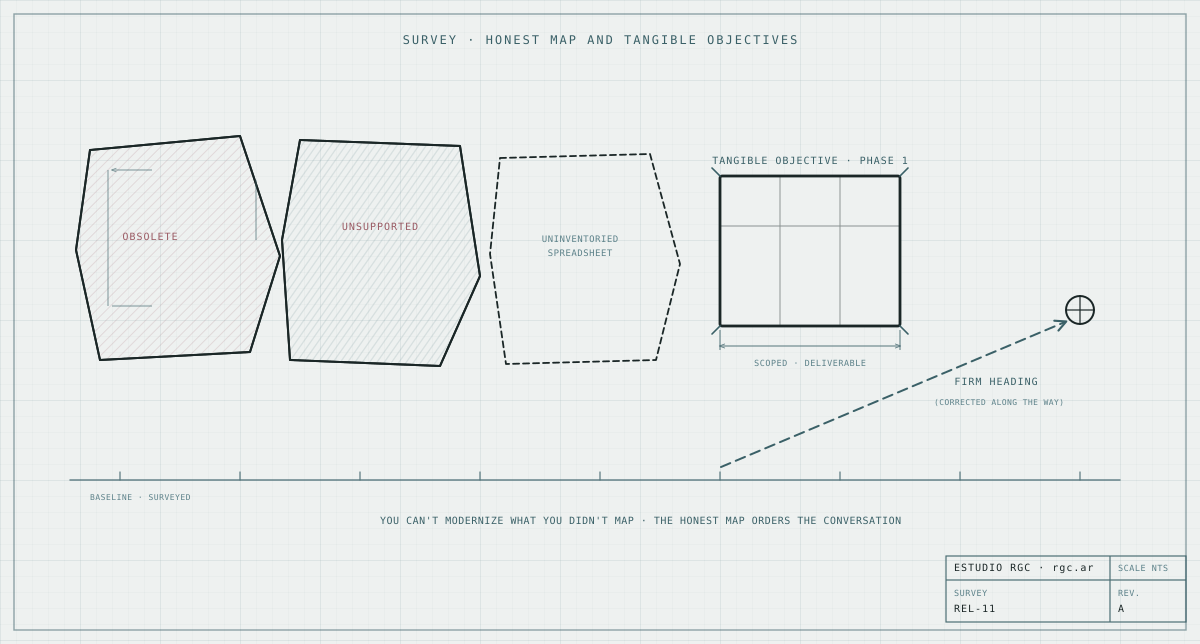 Part 4Tangible objectives and an honest mapTwo disciplines that hold up the middle path: delivering visible value early to earn trust and budget, and mapping honestly the real estate, obsolescence included.
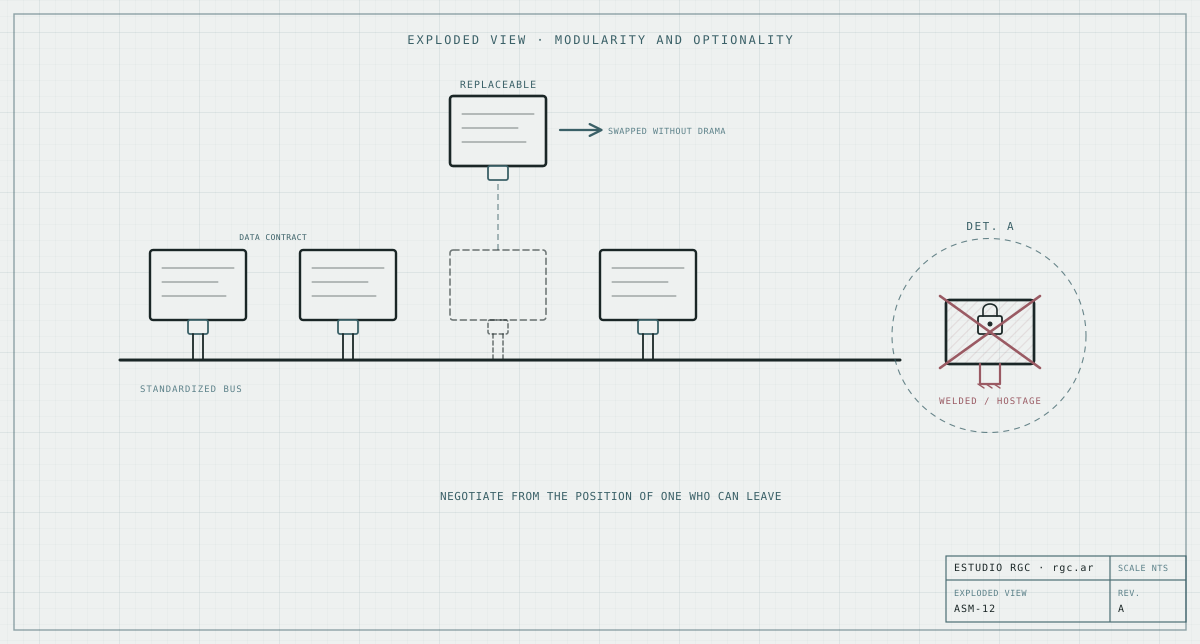 Part 5No one wants to be hostage to a vendorThe clearest answer to the sweep strategy: standardizing the connective tissue instead of the application preserves optionality, and modernizing in replaceable modules avoids mortgaging tomorrow.
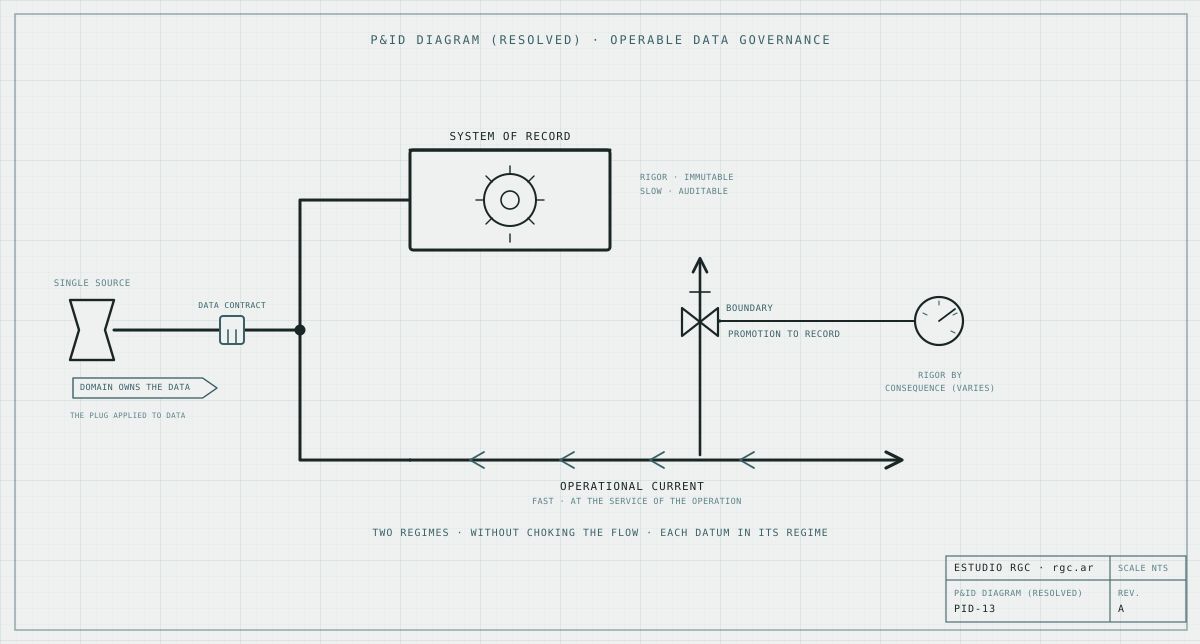 Part 6A data governance that gets results (I)Good data governance makes trustworthy data flow. First half of what makes it operable: separate record from stream, rigor by consequence, each domain owns its data, and data contracts.
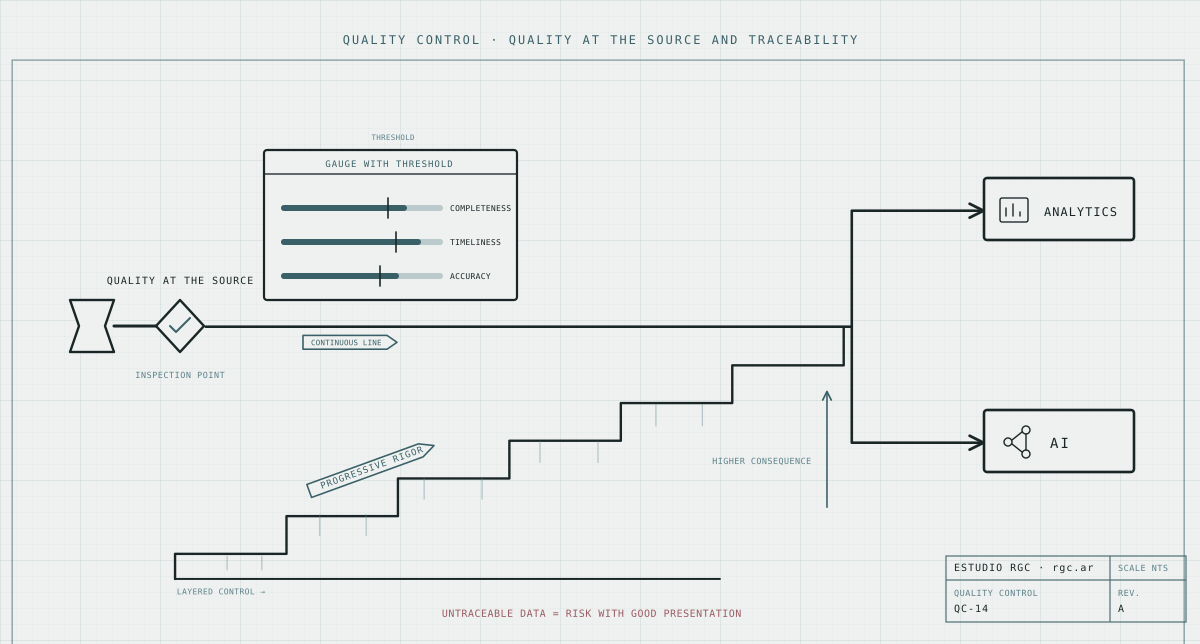 Part 7A data governance that gets results (II)Second half of operable governance: quality at the source, progressive rigor instead of solving everything at once, and traceability as the condition for trusting data to analytics and to AI. It closes the series.